How to Test and Certify Ethernet Cabling the Right Way
A cable run can look perfect and still fail where it https://networkinstall126.wpsuo.com/network-cabling-installation-costs-what-businesses-should-budget matters. I have seen brand-new office network cabling pass a basic link light check, only to stumble as soon as users start moving large files, joining video calls, or powering access points over PoE. The reason is simple. Ethernet cabling is not judged by appearance, and it is not judged by whether a laptop gets online for five minutes. It is judged by measurable electrical performance, by whether each permanent link meets the standard it was designed for, and by whether the documentation can stand up to scrutiny months or years later.
That is where testing and certification separate professional work from guesswork. In network cabling installation, the cable itself is only half the job. The other half is proving the installation performs as a system, from jack to patch panel, under the parameters defined for that category and channel length. If you skip that step, you are leaving the client with uncertainty, and you are leaving your own team exposed when intermittent faults show up after move-in.
The right way to test and certify ethernet cabling starts before the first tester comes out of the case. It begins with design intent, installation discipline, and a clear understanding of what kind of result the project actually needs.
Know what you are trying to prove
One of the most common mistakes in structured cabling work is using the word “test” as if it means one thing. It does not. There is a major difference between verifying continuity, qualifying a link for a certain speed, and certifying it to a TIA or ISO performance class.
A simple wiremap tool can tell you whether pairs are pinned correctly. That is useful, but it is nowhere near enough for commercial data cabling. A qualification tester can give you a decent read on whether the link is likely to support 1G or 10G Ethernet. That can help with troubleshooting or legacy environments. A certification tester is the instrument used when you need formal pass or fail results against a cabling standard, such as for CAT6 cabling or CAT6A cabling in a new build or major upgrade.
If the project calls for a manufacturer-backed warranty, a certification test is usually mandatory. If the customer is paying for CAT6A cabling to support 10-gigabit uplinks and higher PoE loads in a busy office, anything less is not serious due diligence. A basic tester may show all eight conductors in the right place and still miss excessive insertion loss, poor return loss, split pairs, or crosstalk issues that hurt performance under real load.
This matters even more in business network installation because the network is rarely carrying only desktop traffic anymore. It is carrying wireless access points, VoIP phones, security devices, conference room systems, badge readers, printers, cameras, and often a mix of older and newer switches. Low voltage cabling that looked acceptable ten years ago can turn into a bottleneck when applications become latency-sensitive and PoE budgets go up.
The installation either helps the test, or fights it
When crews treat testing as a final administrative task, the job usually gets harder at the end. Good results are built during installation. Poor handling can ruin an otherwise solid design.
On paper, a CAT6 channel may look straightforward. In the field, a lot can go wrong. Cables get pulled too hard around corners. Velcro is replaced with zip ties that are cinched too tightly. Bend radius gets ignored above ceiling grids. Jacket is stripped back too far at the termination. Pairs are untwisted more than necessary. Horizontal runs are bundled tightly against power for long distances. Patch panels are dressed so aggressively that the rear terminations are under constant stress.
Any one of those may not produce an immediate failure. Several of them together often do.
CAT6A cabling deserves special attention because it is less forgiving in dense pathways. The cable is larger, the fill ratio climbs quickly, and alien crosstalk becomes a practical issue in some environments. Installers who are comfortable with older CAT5e habits can get caught out when they move into CAT6A projects. If the design requires 10-gigabit performance across a large office network cabling deployment, routing, separation, bundle management, and patching discipline all start to matter more.
I once walked a newly built floor where every drop had been labeled neatly and terminated on time. On first glance, it looked excellent. Then the certifier started showing inconsistent margins on several links. The cause was not exotic. In one telecom room, the rear cable management had forced multiple CAT6A runs into a tighter bend than the manufacturer recommended just before termination. The links did not all fail outright, but enough of them flirted with the limit that the fix was obvious. Relieve the stress, re-terminate the worst performers, retest, document, and move on. That is far better than discovering the problem after the furniture is in and the help desk is taking calls.
Testing starts with the right standard and the right adapters
A certification tester is only as useful as the setup behind it. Before you run the first autotest, decide whether you are testing a permanent link or a channel. That sounds basic, yet it causes a surprising amount of confusion.
A permanent link test measures the fixed portion of the cabling system, typically from the patch panel in the telecom room to the outlet in the work area. It excludes user patch cords. This is the preferred method for most new network cabling installations because it evaluates the installed infrastructure itself.
A channel test includes patch cords on both ends. That can be appropriate in some operational scenarios, especially when troubleshooting the full in-service path, but it is less common for acceptance testing of new structured cabling because patch cords are replaceable and can mask where the true issue lies.
The test limit must match the cabling category and application intent. A CAT6 permanent link should not be tested using a CAT5e limit just because the gear negotiates at 1G. Likewise, CAT6A should be certified to the correct standard if that is what was sold and installed. The adapters must also match the test type and be in good condition. Worn permanent link adapters are a quiet source of bad data. If your leads have been dropped, kinked, or used carelessly across multiple jobs, they can create noise in the results and waste hours of troubleshooting.
Calibration and firmware matter too. Most crews know this, but not all crews respect it. A tester that is overdue for calibration or running outdated firmware can create doubt where there should be confidence. When you are turning in results to a client, a general contractor, or a manufacturer warranty program, doubt is expensive.
What the certification test is actually measuring
When a client asks whether a cable “passed,” what they usually want is confidence that the link will work properly. The instrument gets to that answer by evaluating several electrical parameters, not by checking one magic value.
Wiremap confirms that the conductors are terminated correctly and that there are no opens, shorts, reversals, crossed pairs, or split pairs. Length estimates, usually based on time-domain reflectometry and the cable’s nominal velocity of propagation, help confirm the run is within limits and can identify large discrepancies from the intended path.
Insertion loss tells you how much signal is lost over the length of the link. Return loss reflects how much energy is bouncing back due to impedance mismatches. Near-end crosstalk and far-end crosstalk indicate how much interference adjacent pairs create for each other. Delay and delay skew matter because Ethernet expects the pairs to behave within tolerances. Resistance unbalance becomes especially important in modern PoE environments, where uneven current flow can lead to heat and unstable device behavior.
A passing result is not just a green screen. It is a set of measurements that collectively show the installed link is performing within category requirements. Experienced technicians also pay attention to margin. A bare pass is still a pass, but a link that squeaks through with weak headroom deserves a closer look, especially in high-demand environments. If a run is already near the edge on day one, it may not tolerate future repatching, environmental changes, or connector wear as gracefully as a link with healthier margin.
The sequence that saves time on site
There is a practical rhythm to testing that reduces rework. It is much easier to catch a problem while the ladder is still out and the ceiling tile is still movable.
- Verify labels, outlet IDs, and patch panel positions before formal testing begins.
- Run certification by area or telecom room, not randomly, so patterns show up quickly.
- Investigate marginal results immediately instead of saving them all for the end.
- Retest after every correction and keep only the final clean record set.
- Review the day’s reports before leaving the site, while access is still easy.
That second point is more important than it sounds. When you test in a logical sequence, repeated issues become visible. If five links from the same bundle show similar return loss problems, you start looking for a shared cause such as pull tension, route geometry, or termination handling. If you test randomly across a building, those patterns hide longer.
There is also a human factor here. Good testing discipline helps maintain credibility with clients and project managers. When you can say, calmly and specifically, that all links from the west wing telecom room were certified, three outlets were corrected due to termination-related crosstalk, and the updated reports are already in the job folder, the conversation stays factual. That is much better than vague statements about a few cables needing “touch-up.”
Where failures usually come from
Most failed certifications are not mysteries. After enough network cabling jobs, the same causes show up again and again. The details vary, but the pattern is familiar.
- Excessive pair untwist at the jack or panel termination.
- Bend radius violations or cable deformation from over-tight fastening.
- Incorrect category components mixed into the run, often patch panels or jacks.
- Overlength links, especially after route changes in crowded ceiling spaces.
- Damaged cable from pulling, crushing, or rough handling during other trades’ work.
The third item catches people more often than it should. A run is only as category-compliant as the complete link. You cannot install CAT6A cable and then terminate into a lower-rated component without undermining the result. The same applies when a site mixes products from different sources without verifying compatibility or approved combinations for warranty purposes.
Overlength links deserve an honest conversation with clients early in the project. Maximum horizontal distance is not a suggestion, and closets do not magically move closer because a tenant layout changed late. When an office network cabling design drifts during construction, the cable routes often grow longer in real life than they looked on plan. If you wait until final certification to discover several drops are beyond limit, the fix is painful. On a well-run project, someone checks distances during rough-in and flags risk before the walls and ceilings close up.
PoE has changed what “good enough” means
A lot of older testing habits were formed when the average outlet fed a desktop PC with modest bandwidth demands and no remote power draw. That environment is gone in many commercial spaces.
Today, low voltage cabling frequently supports PoE phones, cameras, access control hardware, occupancy devices, and wireless access points with substantial power requirements. As power levels rise, cable quality, conductor consistency, terminations, and bundle heat become more consequential. Resistance unbalance that might have gone unnoticed in a lighter-duty environment can create erratic device behavior or excess heating under PoE load.
This is one reason CAT6A cabling keeps gaining ground in enterprise and high-density wireless deployments. The category is not required everywhere, and it comes with cost and pathway trade-offs, but it gives more headroom for 10G applications and can be a prudent choice where wireless backhaul, AV systems, or long-term growth justify it. The right decision depends on the building, the expected lifespan of the cabling plant, and the owner’s tolerance for future retrofits.
When I hear someone say a cable “works fine” because the camera powers up, I usually want to see the certification record and the switch logs. Devices can appear normal while still living on a weak link. Intermittent renegotiation, packet loss under load, and random power cycling are often symptoms of cabling that passed a casual eye test but never met spec.
Documentation is part of the deliverable
Testing without organized records is only half a job. A professional data cabling project should end with documentation that another technician can understand without hunting through text messages and handwritten notes.
That means labels on both ends that match the reports. It means floor plans or schedules that show outlet locations and IDs. It means certification exports in a standard format, usually backed by the native project file from the tester software. It means noting retests and corrections clearly so the final package reflects the actual accepted condition, not a confusing pile of failed and passed versions.
Clients vary in how closely they review these records. Some only want the summary. Others, especially IT teams and larger facilities departments, will dig into the detail. They may look for the worst margins, check whether every outlet they paid for appears in the report set, or compare the naming convention against the patching plan. A good documentation package makes those conversations easy.
If the installation is tied to a manufacturer warranty, follow that process carefully. Approved components, approved installers, and approved test submission requirements all matter. This is not paperwork for its own sake. It is what allows the end user to rely on the cabling system over the long term and what protects the installer from disputes about whether the work was completed to standard.
When a pass is not enough
There are times when a link technically passes but still deserves attention. Seasoned technicians learn to read beyond the word “pass.”
If multiple links from the same area barely clear the limit, ask why. If a single run measures much longer than expected, verify the label and route. If return loss is consistently weak at one end, inspect the terminations and cable dressing there. If CAT6A results are legal but thin across a dense bundle, review pathway conditions and look for compression or alien crosstalk risk. If a patch panel field shows a cluster of unusual results, inspect the hardware batch and the install method before you assume the tester is wrong.
This is where judgment matters. Standards define acceptable performance, but good technicians also think about service life. A business network installation is expected to support years of moves, adds, changes, and equipment upgrades. A link with healthy margin gives you confidence. A link scraping by tells you to keep asking questions.
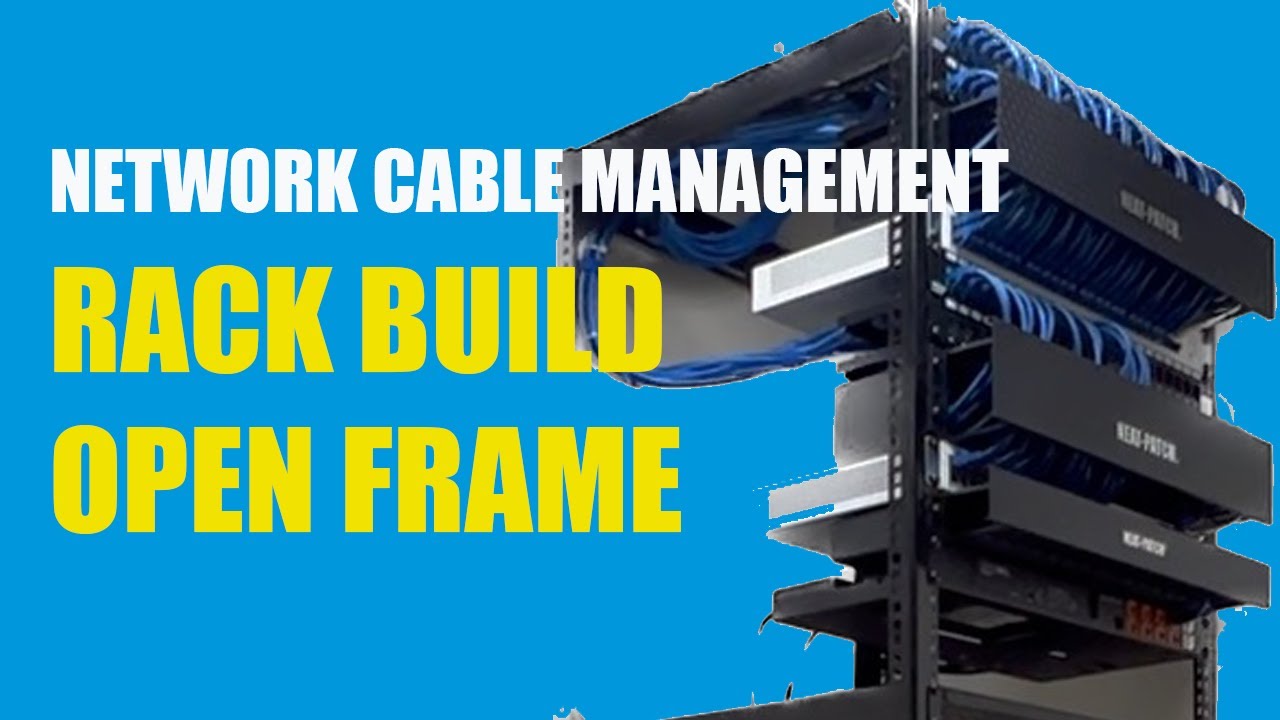
I have also seen projects where the problem was not the horizontal cable at all, but the patching environment around it. Poor patch cord selection, sloppy rack management, and overfilled cable managers can create future trouble even when the permanent links are clean. Certification is not an excuse to ignore the operational side of the room. Good structured cabling practice extends into patching discipline, labeling consistency, and room layout that technicians can maintain without damaging what was just installed.
The client experience improves when you explain the process plainly
One of the best habits in network cabling installation is to explain testing in plain language before the client asks. Most customers do not need a lesson in near-end crosstalk. They do need to understand why proper certification takes time and why a green link light is not a substitute.
A simple explanation works well. Tell them the cabling will be tested against the standard it was sold to meet, that each link will be documented, and that any weak or failed runs will be corrected before handoff. If the job includes CAT6 cabling in a smaller office, say so directly. If it includes CAT6A cabling to support higher throughput and PoE-heavy devices, explain that the larger cable and tighter performance requirements demand more care in installation and testing.
Clients generally respect rigor when they can see the purpose behind it. They become skeptical only when the process feels opaque or performative. If you can walk them through a sample report, show that labels line up with actual work area outlets, and explain how that helps future troubleshooting, the value becomes obvious.
Getting it right the first time costs less than chasing ghosts later
Poorly tested ethernet cabling has a habit of creating expensive, confusing symptoms. The switch vendor gets blamed, then the firewall, then the ISP, then the Wi-Fi, and only after several rounds does someone question the physical layer. By then, the cost is not just a few extra technician hours. It is user frustration, project delay, lost confidence, and often rework in a finished space.
Testing and certifying the right way is less glamorous than installing shiny new hardware, but it is one of the most durable forms of quality control in a cabling project. It proves the value of the materials, the workmanship, and the design. It gives the customer a defensible record. It reduces callbacks. It protects future moves and upgrades. Most of all, it turns network cabling from a hidden assumption into a verified asset.
That is the standard serious installers should aim for, whether the project is a small office refresh or a multi-floor structured cabling buildout. If the job calls for professional data cabling, the final proof should be professional too.
Fontana Tech Pros provides professional network cabling installation, structured cabling, fiber optic installation, commercial WiFi, access control, security camera installation, alarm systems, and phone system solutions for businesses throughout Southern California. Learn more at https://fontanatechpros.com/.
Fontana Tech Pros specializes in reliable network cabling solutions for commercial offices, warehouses, schools, and industrial facilities. Our experienced team delivers high-quality structured cabling and low-voltage installations designed for long-term performance.